Iron during pregnancy
Key to your baby’s brain development?
Iron deficiency is one of the most common nutritional deficiencies worldwide—especially during pregnancy. The increased need for iron during this time makes adequate intake crucial for the health of both mother and child.

Function Iron during pregnancy
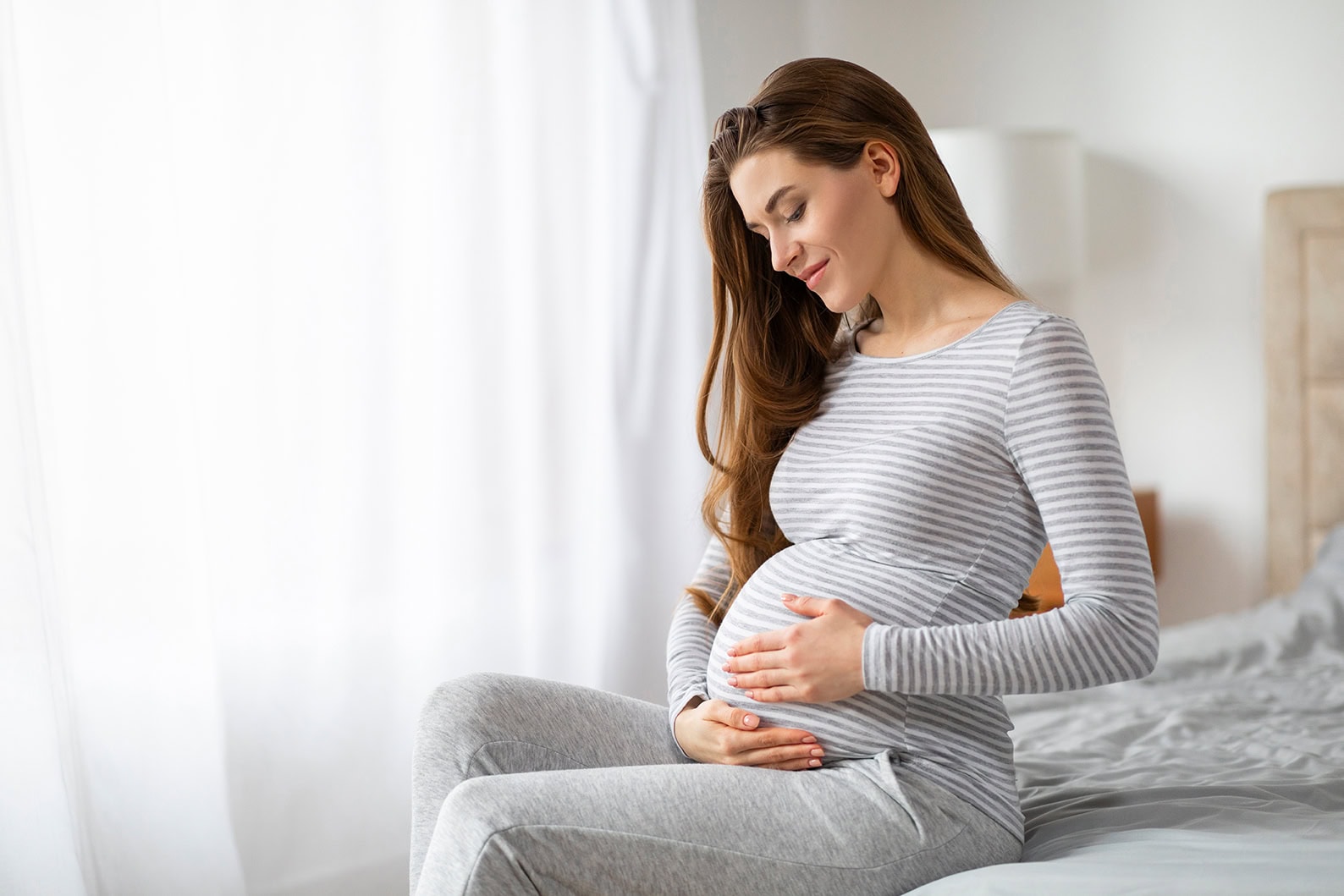
Iron is one of the most important micronutrients for our body. From the fourth month of pregnancy onwards, the need for iron increases significantly, as not only the mother but also the unborn child must be supplied with sufficient iron. This nutrient supports blood formation and the growth of the placenta and is crucial for the development of the child’s brain.
A lack of iron during this sensitive period can have serious consequences. In addition to an increased risk of premature birth and low birth weight, the child’s mental development can also be impaired in the long term. Millions of pregnant women worldwide are affected, in some regions even more than a third.
The first 1,000 days of life, from conception to the second birthday, are particularly crucial. During this phase, the brain develops particularly rapidly. An adequate supply of iron therefore not only contributes to a healthy pregnancy, but also lays the foundation for the child’s physical and mental development.
Increased iron requirements during pregnancy
From the fourth month of pregnancy onwards, the body needs significantly more iron—almost twice as much as usual. The German Nutrition Society (DGE) recommends a daily intake of around 27 milligrams, whereas around 14–16 milligrams is sufficient for women who are not pregnant. The reason for this is that blood volume increases in order to supply the mother and child with sufficient oxygen. This requires the production of more red blood pigment (hemoglobin), which in turn requires iron. The placenta, which supplies the unborn child with nutrients, also needs iron for its development and function. If the intake or basic supply of this nutrient is too low, the supply of oxygen and nutrients to the child can be impaired.
Despite a conscious choice of foods and a slight increase in the average intake of iron in the intestinal tract, not every pregnant woman is able to meet the entire additional requirement without additional sources. A balanced diet with animal and plant-based foods provides an average of 15-20 milligrams of iron per day, of which only 1-2 milligrams are actually absorbed into the blood. From the second trimester onwards, an additional 4-6 milligrams are required daily, and from the third trimester onwards, as much as 6-7 milligrams. Ideally, pregnant women should therefore have well-filled iron stores at the beginning of their pregnancy, as insufficient intake can quickly deplete these stores.
Importance of iron for brain development in the unborn child
During the first 1,000 days of life, which we mentioned earlier, important structures and functions are developed that influence thinking, learning, and behavior throughout life. Iron plays a key role in this process. It is needed to form important neurotransmitters in the brain, including dopamine, melatonin, and serotonin. These control mood, sleep, and communication between nerve cells, among other things. Iron also supports the development of the myelin layer, a protective sheath around nerve fibers that enables fast and efficient signal transmission. Iron is also essential for supplying energy to brain cells. In addition, it influences synaptic plasticity, the brain’s ability to strengthen or change connections between nerve cells. This is the basis for learning and memory processes.
The supply of iron to the brain is strictly regulated to ensure that there is enough available without causing harmful overload. Iron deficiency during pregnancy can lead to delays in mental, motor, and emotional development in children, some of which can have consequences into adulthood. Indirect effects, such as exhaustion or depression in the mother caused by iron deficiency, can also have a negative impact on the child’s development.
Iron deficiency during pregnancy
Iron deficiency is often only discovered during regular check-ups, usually by measuring hemoglobin levels. However, in order to reliably determine a deficiency, other blood values are important, such as ferritin levels, which indicate the level of iron stores. If this is below 30 μg/L, the stores are most likely depleted – even if the hemoglobin level is still normal. Since ferritin can also be elevated in cases of inflammation, the CRP level, a non-specific marker for inflammation, is often measured as well. Another reliable value is transferrin saturation: if it is below 20%, this indicates a functional iron deficiency. This means that although there is still enough iron stored in the body, there is not enough available for blood formation (erythropoiesis).
In addition to iron deficiency, hereditary blood formation disorders can also play a role. In families with a history of such disorders or in cases of unusual blood values, a special test (hemoglobin electrophoresis or HPLC) may be useful.

Prevention and treatment of iron deficiency during pregnancy
A balanced and varied diet is the most important basis for preventing iron deficiency. The DGE recommends eating plenty of vegetables, fruit, legumes, and whole grain products during pregnancy. Dairy products, low-fat meat, fish, and eggs can supplement the diet in moderate amounts. Sweets, sugary drinks, salty snacks, and high-fat foods should only be consumed rarely. Vegetarian or vegan diets require special attention, as plant-based iron is less easily absorbed by the body. Combining these foods with foods rich in vitamin C, such as peppers, berries, or citrus fruits, helps to improve absorption in the intestine.
Iron supplements should only be taken if a deficiency has been diagnosed by a doctor, because both a deficiency and an excess can cause health problems. The German Federal Institute for Risk Assessment (BfR) recommends a maximum intake of 6 mg of iron per day from dietary supplements. For pregnant women: only use supplements after consulting your doctor.
There is currently no standard recommendation for routine iron supplementation during pregnancy. Early diagnosis and appropriate treatment help to prevent complications and ensure optimal care for mother and child. Consulting a specialist nutritionist can also help if you have any uncertainties during pregnancy and after giving birth.

1 portion red beet (ca. 150 g)
1,33 mg iron
15 mg vitamin C

1 portion chicken liver sausage (30g)
7,03 mg iron
7,53 mg vitamin C

1 portion lenses (60 g)
4,50 mg iron
0,60 mg vitamin C

2 EL sunflower seeds (20 g)
1,14 mg iron
0 mg vitamin C

1 portion spinach (200 g)
8,83 mg iron
101, 15 mg vitamin C

5 EL oats (50 g)
2,22 mg iron
0 mg vitamin C
Acknowledgements
Many thanks to Münster University of Applied Sciences, in particular Janina Dapprich, Prof. Dr. oec. troph. Anja Markant, and Prof. Dr. rer. medic. Tobias Fischer, for writing this article as part of the “Nutrient Compass” project.