Zinc
What is zinc?
Zinc is a true all-rounder among trace elements. Although it is only present in very small amounts in the body, it is involved in a variety of important processes.

What is zinc important for?
It is particularly well known for its role in maintaining a strong immune system. Without sufficient zinc, immune cells cannot function properly. Skin, hair, and nails also benefit, as zinc is involved in cell division and wound healing. In addition, it plays an important role in hormone balance, fertility, taste, and even brain performance. A deficiency therefore often becomes noticeable quickly.

How much zinc do you need per day?
According to the German Nutrition Society (DGE), the daily requirement for adults is between 7 and 10 mg, depending on gender and diet. Men need slightly more than women, and pregnant or breastfeeding women also have a higher requirement. A purely plant-based diet can also increase the requirement because zinc is less easily absorbed from plant-based foods.
Which foods contain high levels of zinc?
Zinc is found in both animal and plant-based foods. Oysters, beef, liver, and cheese are particularly rich in zinc. However, plant-based foods such as pumpkin seeds, sunflower seeds, oatmeal, lentils, and chickpeas are also good sources. However, plant-based foods also contain phytates (e.g., in whole grain products or legumes), which can inhibit zinc absorption. Soaking, sprouting, or fermenting can improve absorption.
Foods rich in zinc:
- Oysters
- Beef
- Liver
- Cheese
- Pumpkin seeds
- Sunflower seeds
- Oats
- Lentils
- Chickpeas

What are the signs of zinc deficiency?
A mild deficiency may initially manifest itself in subtle ways, such as brittle nails, hair loss, dry skin, or increased susceptibility to infections. Fatigue, concentration problems, or a weakened sense of taste can also be signs of deficiency. In more severe cases, wound healing may be impaired, the skin may become inflamed, and fertility may be affected.
Brittle nails, hair loss, dry skin
Fatigue, concentration problems
Increased susceptibility to infection
Weaker sense of taste
Is it possible to overdose on zinc?
Yes, that is possible. Excessive intake over a long period of time can lead to nausea, stomach ache, or headaches. In addition, too much zinc can hinder the absorption of other minerals such as copper or iron. Therefore, it is better to supplement in a targeted manner and in the right amount than to do so “on suspicion.” The tolerable upper limit for adults is around 25 mg per day.
Do zinc tablets make sense?
A supplement can be useful if your requirements are increased, for example if you follow a vegan diet, suffer from chronic gastrointestinal complaints, are pregnant, or experience frequent infections. Competitive athletes also lose more zinc through sweat and therefore often have higher requirements. It is important to pay attention to the dosage. Many supplements contain between 5 and 15 mg of zinc per daily dose, which is usually sufficient.
Should zinc and magnesium be taken together?
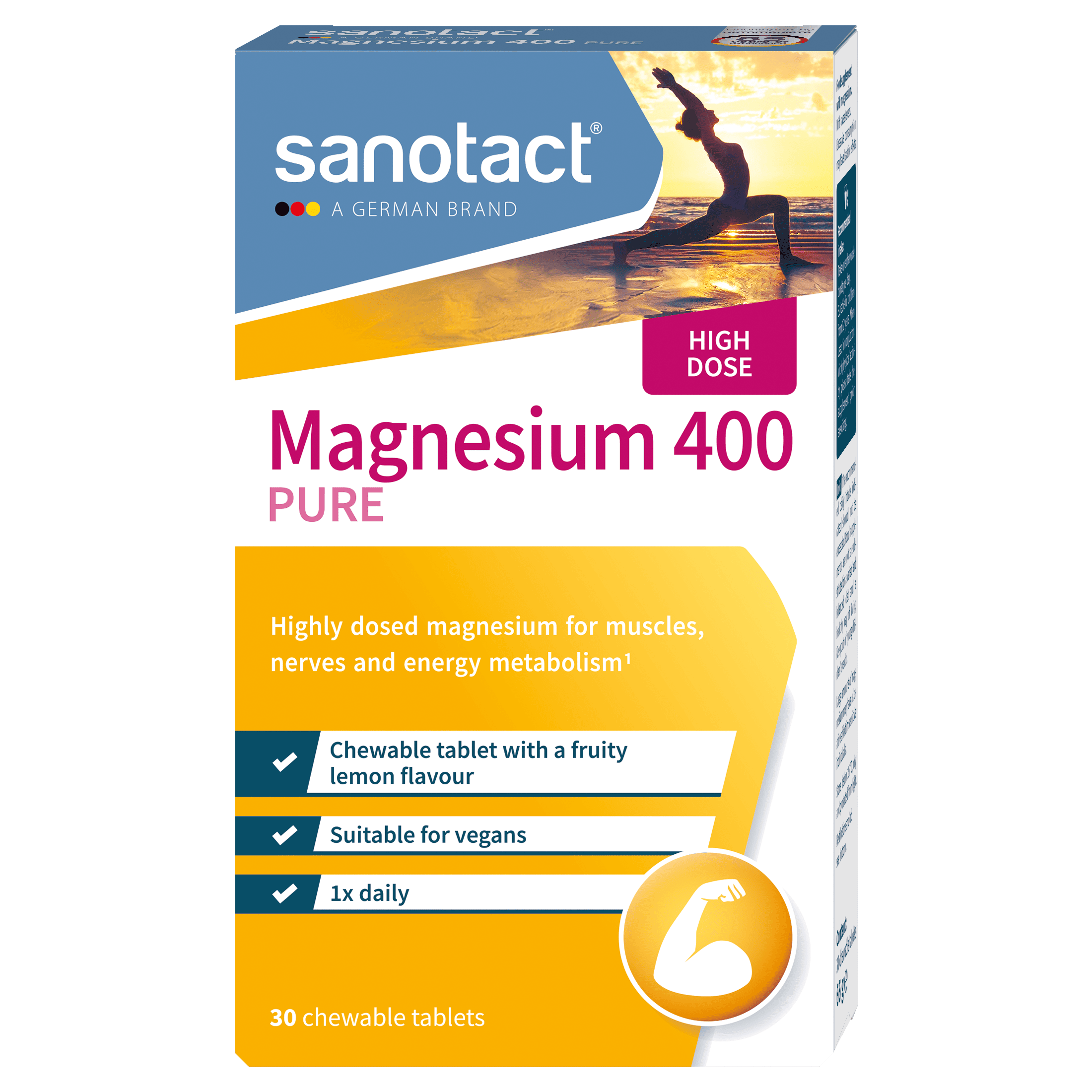
In principle, there is no reason not to take both minerals at the same time. They perform different functions in the body, so they do not exclude each other. However, it is important not to take very high-dose supplements together, as this can interfere with their absorption in the intestine. If you take magnesium and zinc supplements, it is therefore best to take them at different meals throughout the day.